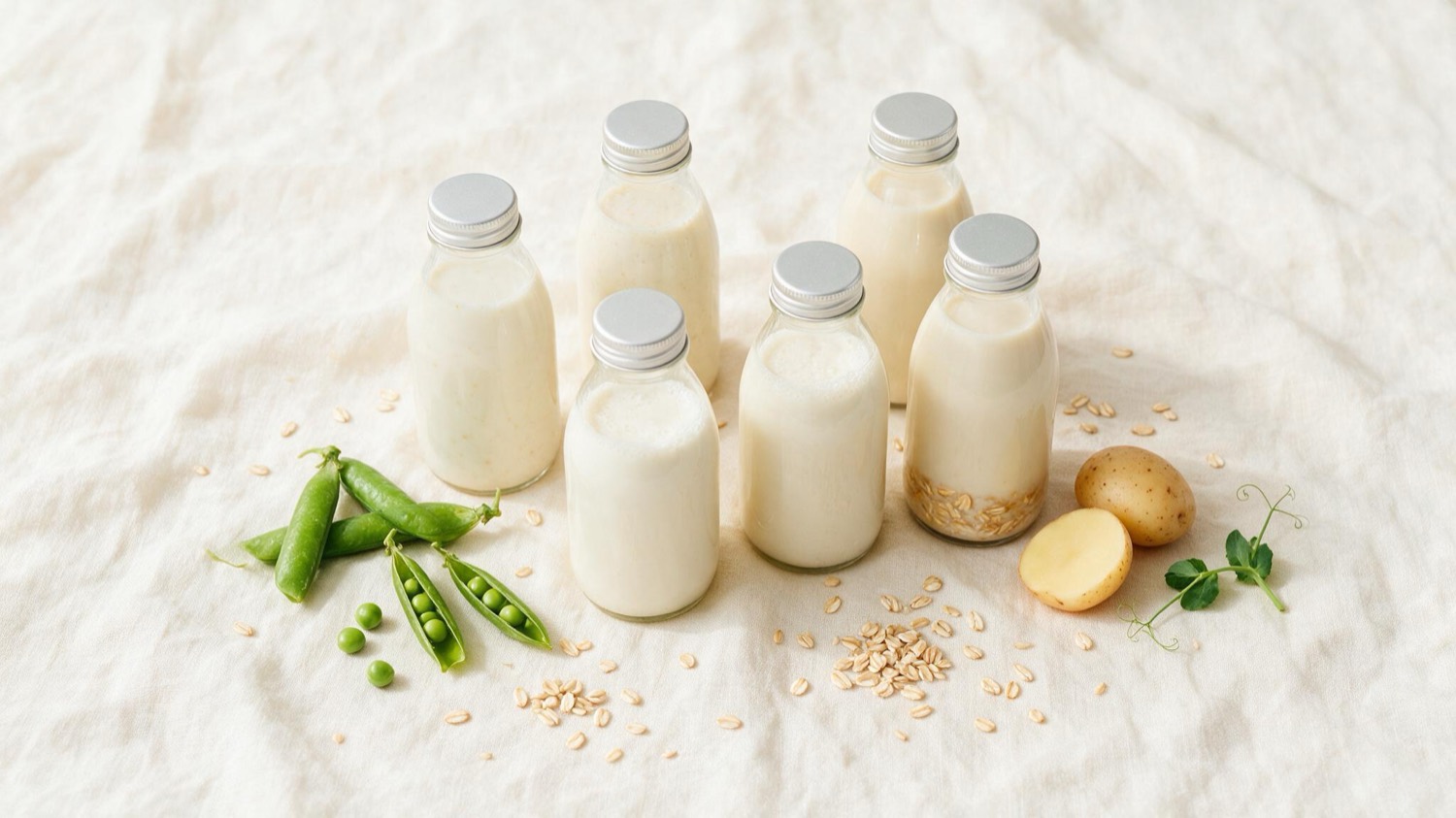
For most of the last decade, the story of plant milk was really the story of one grain. Oat milk was the phenomenon — the barista darling that finally made the dairy aisle interesting. But walk down that aisle today and the shelf has turned into a laboratory. Peas, potatoes, hemp, and — stranger still — milk proteins grown in steel tanks without a cow anywhere in sight. The oat revolution is over. The scramble to work out what comes next has begun.
Call it the new milk rush. And like the last one, the winners won't be decided by novelty alone. They'll be decided by three unglamorous things: taste, nutrition and honest sustainability.
The protein problem, solved by a pea
For all its virtues, oat milk carries a nutritional asterisk: it's low in protein. A glass of dairy milk gives you around eight grams; a typical glass of oat or almond gives you one or two. For anyone using milk as a genuine source of nourishment — growing children, older adults, athletes — that gap matters.
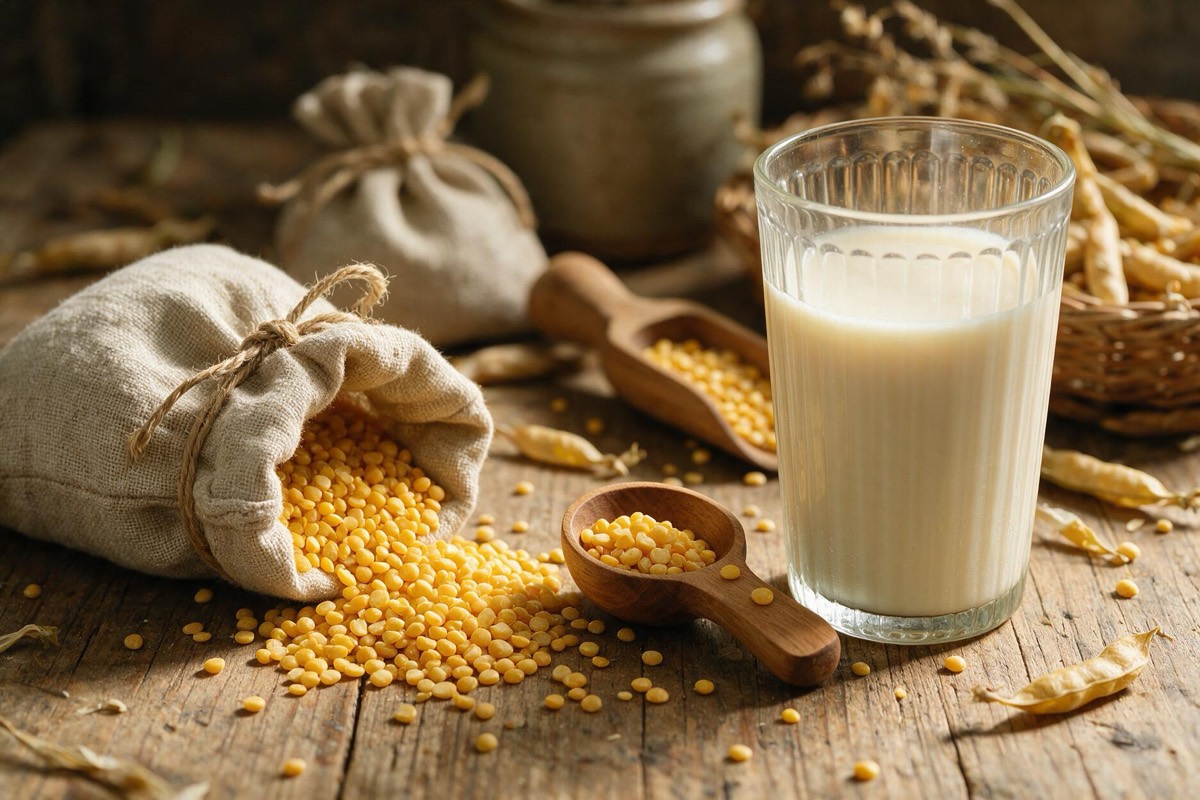
Enter the yellow split pea. Pea protein can be extracted, purified and blended into a milk that hits eight grams of protein per glass — matching cow's milk — while sidestepping the top allergens, since it contains no nuts, soy, gluten or lactose. Ripple, the American brand that popularised it, made pea protein its whole identity, and the appeal is obvious: it answers the "but where's the protein?" objection that has dogged plant milk for years.
Peas have a second trick. As legumes, they fix their own nitrogen from the air, meaning they need far less synthetic fertiliser than most crops, and they need a fraction of the water almonds do. A protein-rich milk that's also gentle on the land is a rare and useful combination — and a hint of where the category is heading.
Milk from a potato (yes, really)
If pea milk sounds sensible, potato milk sounds like a wind-up. It is not. In 2021 a Swedish company called Veg of Lund — spun, like Oatly, out of Lund University — launched DUG, the world's first potato-based milk, built on a patented emulsion of potato and rapeseed oil developed by Professor Eva Tornberg.
The pitch is almost entirely about the planet. Potatoes squeeze a lot of food from very little land — the brand claims growing them is roughly twice as land-efficient as oats and uses dramatically less water than almonds. For a crop most of us associate with chips and Sunday roasts, that's a compelling second act. DUG landed on British shelves at Waitrose and Ocado and found a curious, sustainability-minded audience almost immediately. Whether potato milk becomes a fixture or a footnote, it proves a point: the raw material is now up for grabs. If a crop is cheap, climate-friendly and locally grown, someone will try to milk it.
Hemp is having a similar moment — nutty, naturally rich in omega-3 fats, and grown with minimal fuss or pesticide. None of these newcomers will dethrone oat overnight. But together they show a market that has stopped asking "can we make milk from this?" and started asking "should we, and is it actually better?"
Milk without the cow
The most radical idea on the shelf isn't a plant at all.
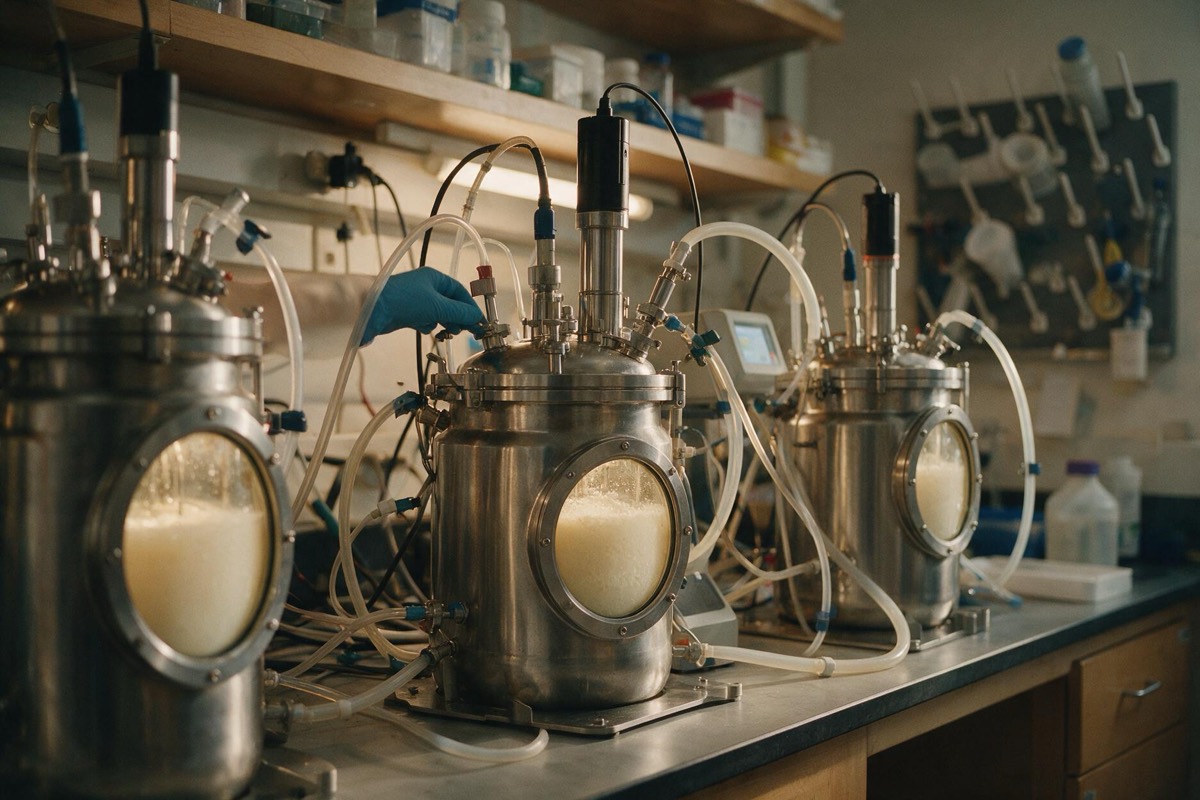
Precision fermentation is a technology borrowed from the pharmaceutical world, where it has made insulin and rennet for decades. The concept is disarmingly simple: take the genetic instructions for a specific milk protein, insert them into a microbe — a yeast or a fungus — and let it brew that protein in a fermentation tank, the way beer is brewed. What comes out is a real dairy protein, molecularly identical to the one from a cow, produced without a single animal.
The American company Perfect Day was first to market, winning US regulatory clearance in 2020 for a fermentation-made whey protein produced by a strain of the fungus Trichoderma reesei. Because it's genuine whey, it foams, stretches and melts the way dairy does — the exact behaviours that plant proteins struggle to fake. The appeal to sustainability is real: no herds, no methane, a sliver of the land and water. The catch is equally real — it's energy-intensive, it relies on genetic engineering that some shoppers instinctively distrust, and the economics of scaling it are still being worked out. Expect the near future to be a hybrid one, where fermentation-made proteins are blended into plant milks to fix their weak spots, rather than sold as a standalone pint.
The honest part: not all green is equal
Here's where a good plant-milk story has to be honest with itself. "Plant-based" is not a synonym for "guilt-free." Almond milk, the darling of the 2010s, is famously thirsty — a great deal of the world's almonds are grown in drought-stressed California, where bee-pollinated orchards drink prodigious amounts of water. Rice milk carries a surprisingly high methane and water burden. The label alone tells you very little.
What the evidence consistently shows, thanks to Poore and Nemecek's analysis of more than 38,000 farms, is that every plant milk still beats dairy across greenhouse gases, land and water — cow's milk uses around ten times the land and roughly three times the emissions of its plant rivals, as summarised by Our World in Data and echoed by campaigners such as ProVeg. But among the plant options, the differences are large enough to matter, and the right choice depends on which resource — water, land, carbon — you care most about. Our environmental impact page lays out those trade-offs crop by crop, and it's genuinely worth a look before you pick a favourite.
What an honest milk future looks like
Put it all together and the shape of the next decade comes into focus. The global plant-milk market, worth more than $20 billion and climbing, is fragmenting in a healthy way: no single crop will "win." Instead we'll get a portfolio — oat for coffee, pea for protein, potato and hemp for the land-conscious, fermentation-made proteins upgrading them all — with fortification closing the old nutritional gaps in calcium, B12 and vitamin D.
Forget any single product — the exciting shift is that "milk" is finally being treated as a design problem rather than a fixed thing that comes from one animal. You can pick for taste, for protein or for the planet, and increasingly you won't have to pick just one.
That's a future worth drinking to. If you'd like to taste your way into it, our recipes, dairy-free tips and the 7-Day Challenge are a good place to begin. And if you're curious how we got here, the heritage of plant milk stretches back a great deal further than any carton on the shelf.